
The Field
Historic ground, used to decide.
A year of field days on ground where someone once had to choose without knowing how it would end.
Two leadership retreats open and close the year. Four field days fall in between, each on ground chosen for one kind of judgment. Between them the work continues on the platform, aimed at what your organization has to get done.
- About 12 months
- 6 events
- 8 to 12 leaders
- One organization per cohort
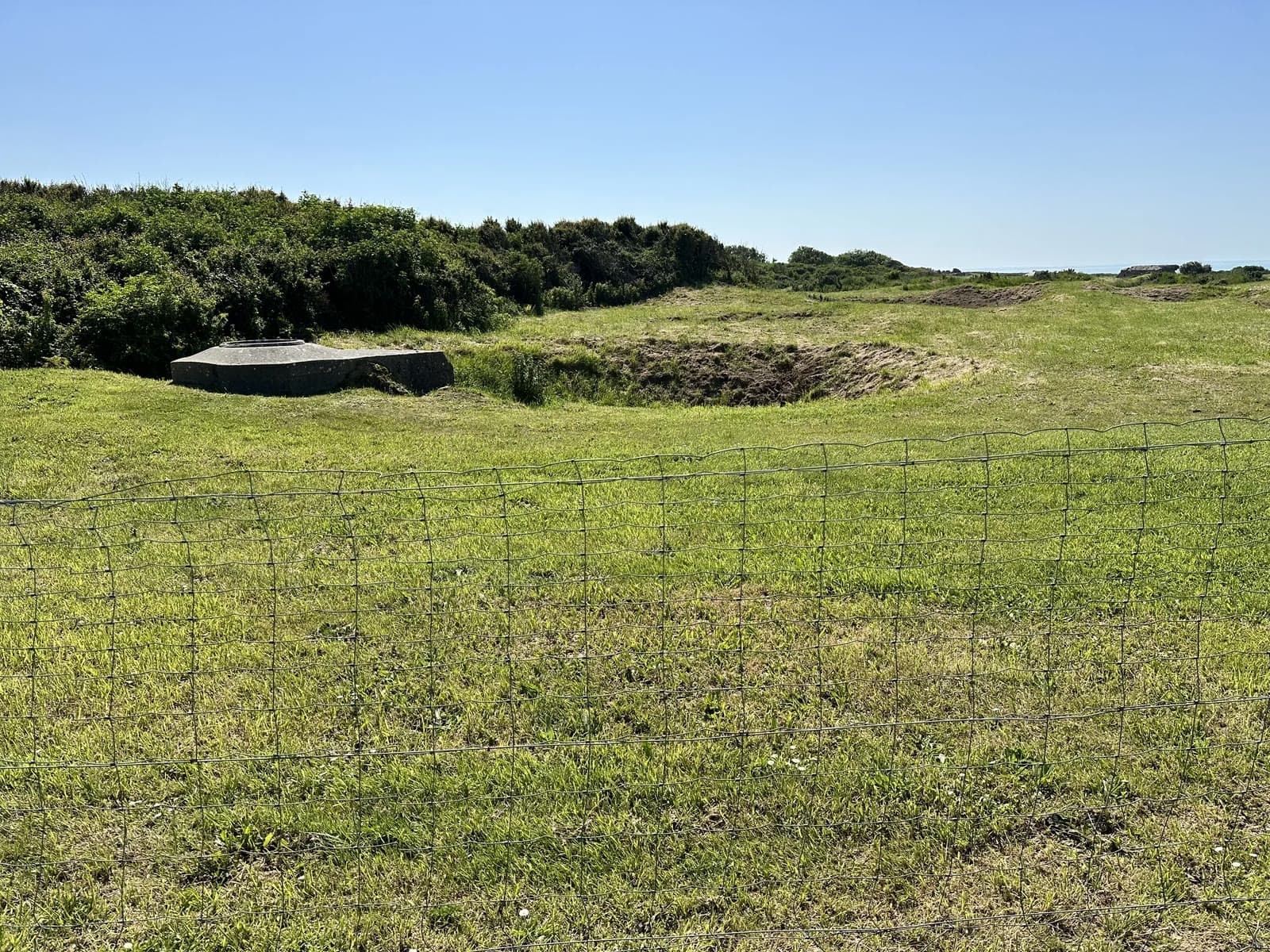
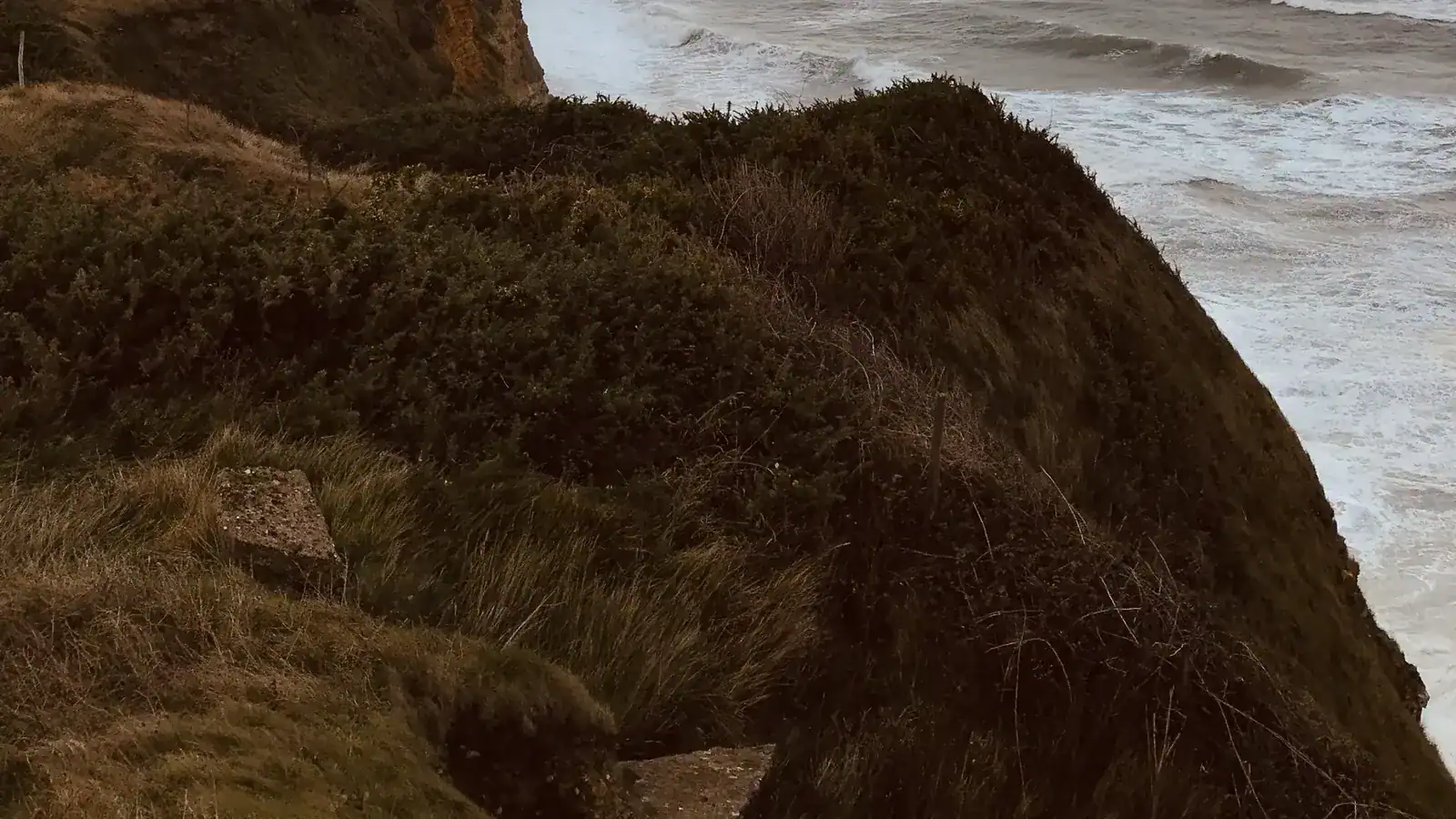
Pointe du Hoc, Normandy
Built with you
Every year is built for one company and one team.
What follows is a typical year, shown in detail so you can see how the parts fit. Nothing in it is fixed. It is tailored to each company and each team, and set with you before the first retreat.
A team integrating an acquisition walks a different year from one handing a business to a first-time general manager.
- The grounds
- Four field days: Gettysburg, Antietam, Arlington and Washington, and Normandy.
- The order
- Set around your calendar and the season.
- The length
- Typically twelve months. Shorter is possible.
- The cohort
- Typically eight to twelve leaders from one organization.
- The cases
- Twelve, from Leading Under Pressure or Standing Alone.
- The work
- Aimed at the problem your organization names before the year begins.
A typical year
Six events, four stretches of work, one record.
The retreats bracket the year. Each field day is prepared for on the platform and carried back to work through it. Three cases run in each stretch between grounds, and the platform keeps going from the first day to six months after the last.
- Month 1Commission Leadership Retreat
- Weeks of workLearn · three cases
- Month 3Gettysburg
- Weeks of workServe · three cases
- Month 5Antietam
- Weeks of workLead · three cases
- Month 7Arlington and Washington
- Weeks of workRemember · three cases
- Month 10Normandy
- Month 12Reckoning Leadership Retreat
- Six months afterRecall, two minutes a week
A field day, start to finish
Five steps, from the reading to the week after.
- PrepWeek before · on the platform
The brief opens with the reading for the ground. Before Gettysburg that means The Killer Angels and the commander each leader has been assigned.
- GroundOn the day · with Lived Path
They walk the terrain the decision was made on and read it the way the people there had to, with only what could be seen from where they stood.
- DecideWhere it happened
Each leader takes a position on the call and says why, before the discussion turns to what was actually done.
- DebriefBefore anyone leaves
The after-action: what was decided, what it cost, and the one thing each leader will do differently at work.
- CarryThe following week · at work
That action goes into the platform, aimed at the problem your organization named, and Advisor follows up on it.
The words on screen
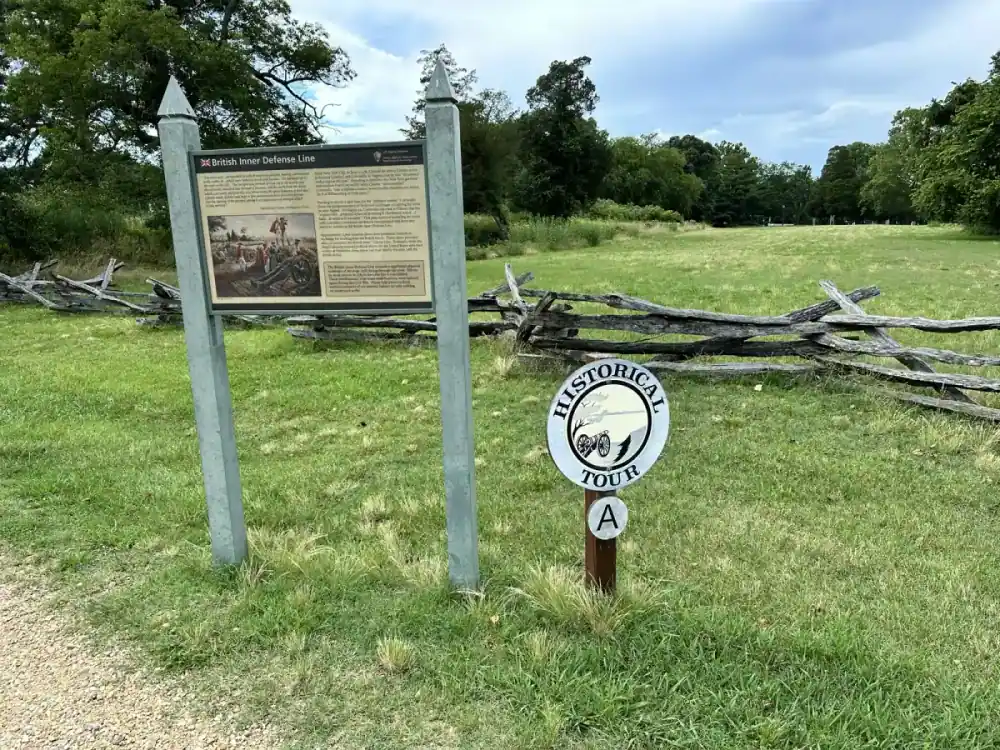
- The Leadership Experience at Yorktown. Yorktown, Virginia.
- We were recently asked by the FBI to conduct leadership tours of the Yorktown Battlefield…
- …for police chiefs of major cities around the world….
- Here are visuals from the tours, and feedback we received from those law enforcement leaders…
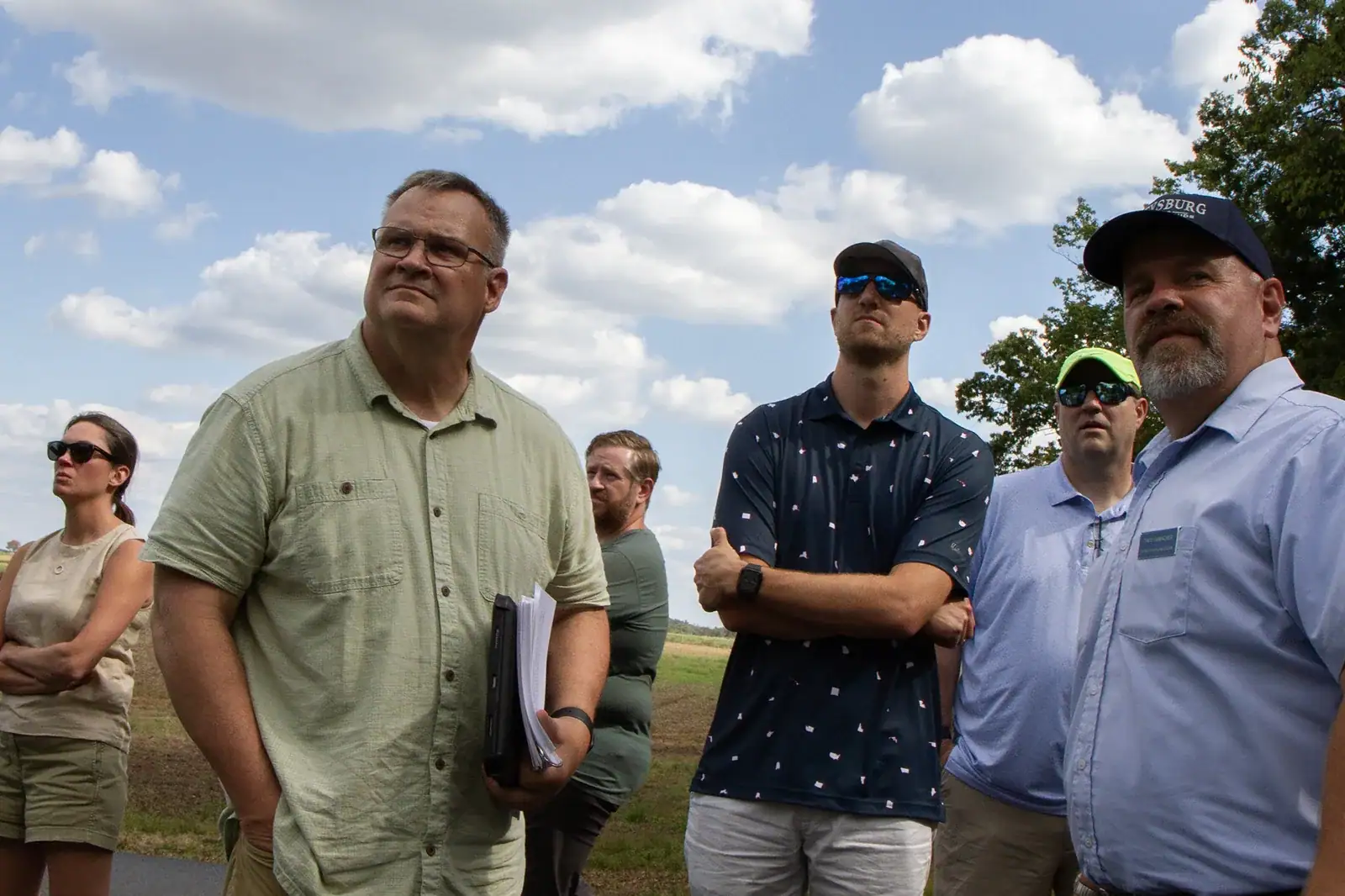
- Pre-Tour Briefing. Williamsburg, VA.
- Arrival at Yorktown.
- "Great passion about the history lessons…"
- "…Engaged the group to apply historical lessons learned."
- "The topic, the instructor, and the class were awesome!"
- "Great passion about the history lessons!"
- "Excellent tour and very worthwhile!"
- "John was steeped in the history of this battle and his ability to take critical decision making principles from 1781 and apply them to 2023 … was inspiring and enlightening."
- "Very informative and interactive. Thank you so much!"
- Your Leadership Experience Begins Here. www.LivedPath.com
- Lived Path. Experience for Tomorrow.
Three steps to the first retreat. A conversation, a scoped proposal, a date.
Or start smaller: one field day for your executive team, at Gettysburg or Antietam, built around one decision. Ask about a field day
The grounds
Each place is chosen for one kind of judgment.
Four field days: Gettysburg, Antietam, Arlington and Washington, and Normandy.
Gettysburg and Antietam both lie within seventy miles of Washington. Arlington is across the river. Normandy is the one crossing, and it comes last. Yorktown can stand in for Antietam.
The grounds below are the ones to choose from, in a typical sequence. Each ends the same way: one thing every leader will carry back to work the following week.
The Commission Leadership Retreat
The cohort forms, and every objective is set.
The year opens here. The cohort agrees how they will give and take pressure with each other. Each leader writes a twelve-month leadership objective, aligned with their manager, and Advisor is set to it the same day. One case is walked together, so the method is felt before it is explained.
Carried backA written objective, and an Advisor already holding it.
Gettysburg
Terrain, timing, and the cost of delay.
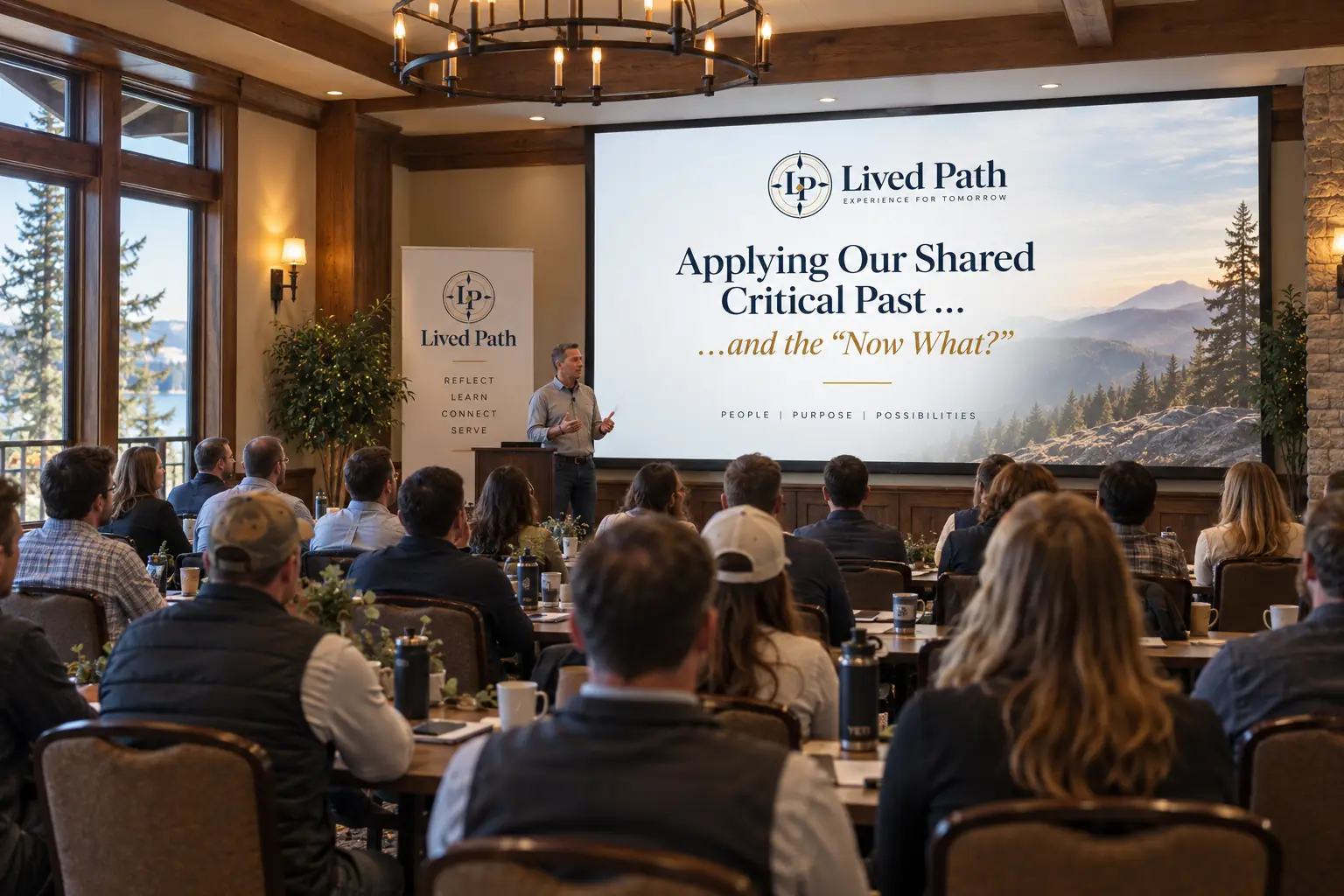
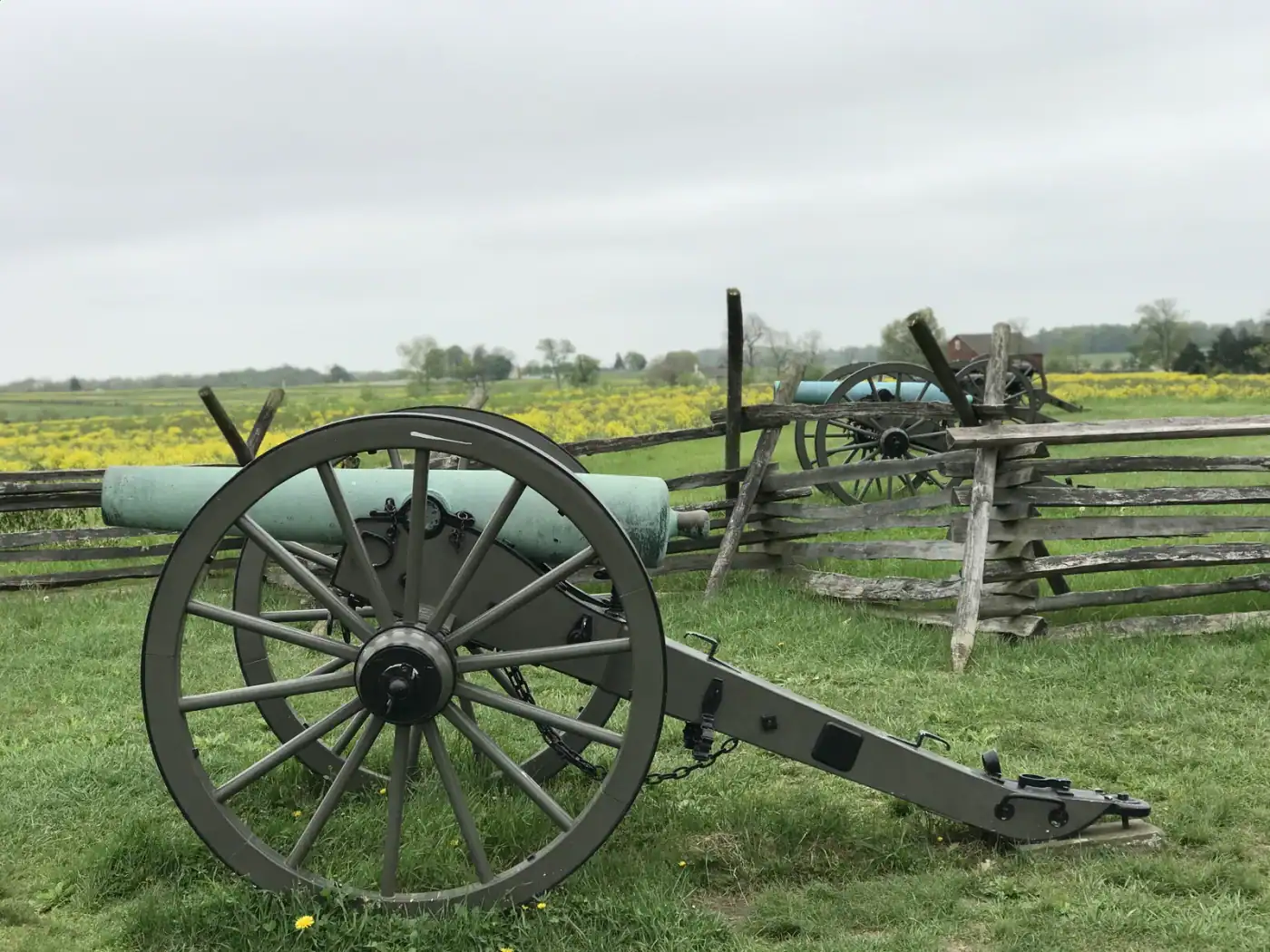
Three days in July 1863 turned on ground and on hours. Leaders read the terrain the way the commanders had to, with the information they had at the time, and put a name to what waiting cost each side.
Carried backOne decision at work where waiting has quietly become the expensive choice.
Antietam
Deciding with half the picture.
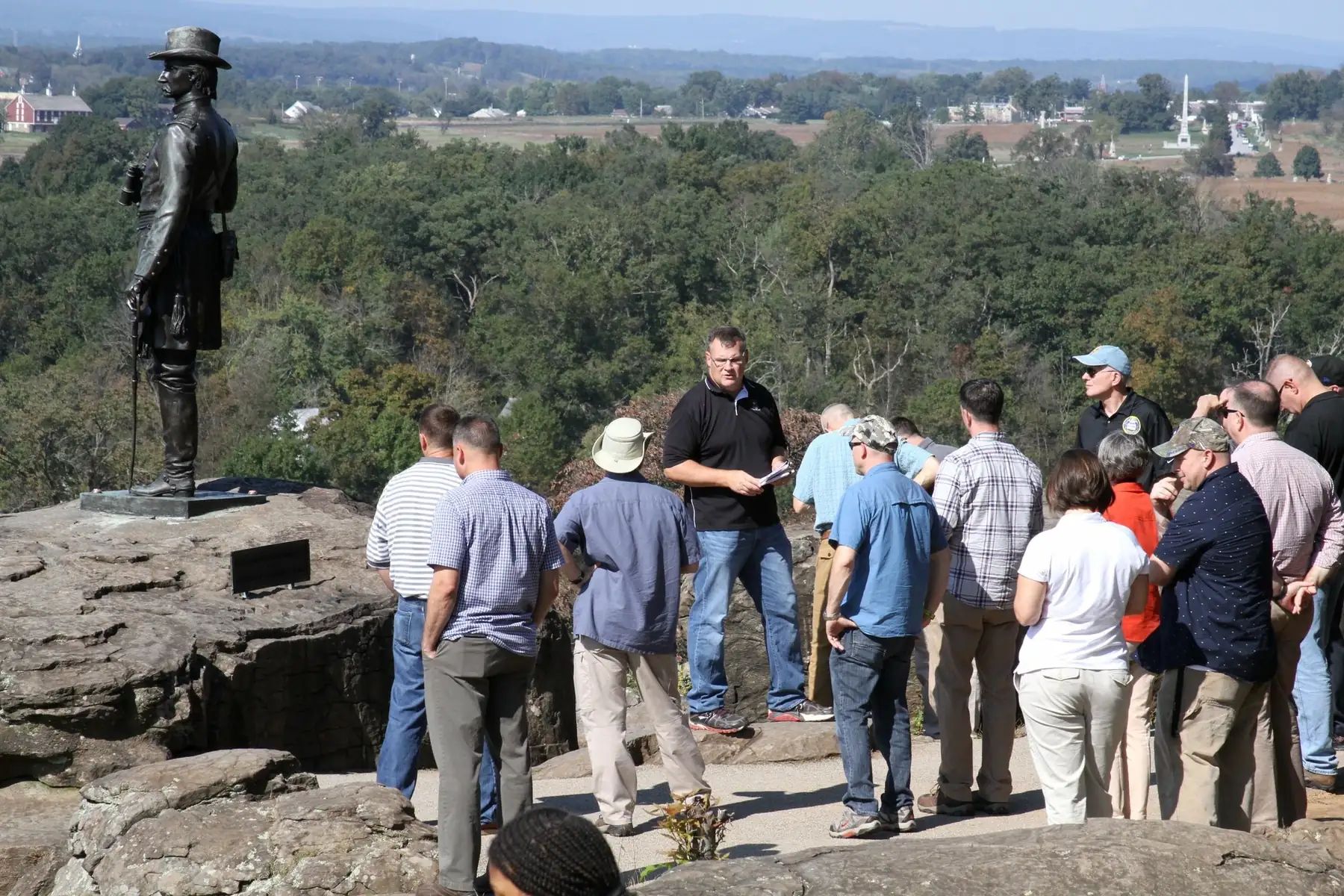
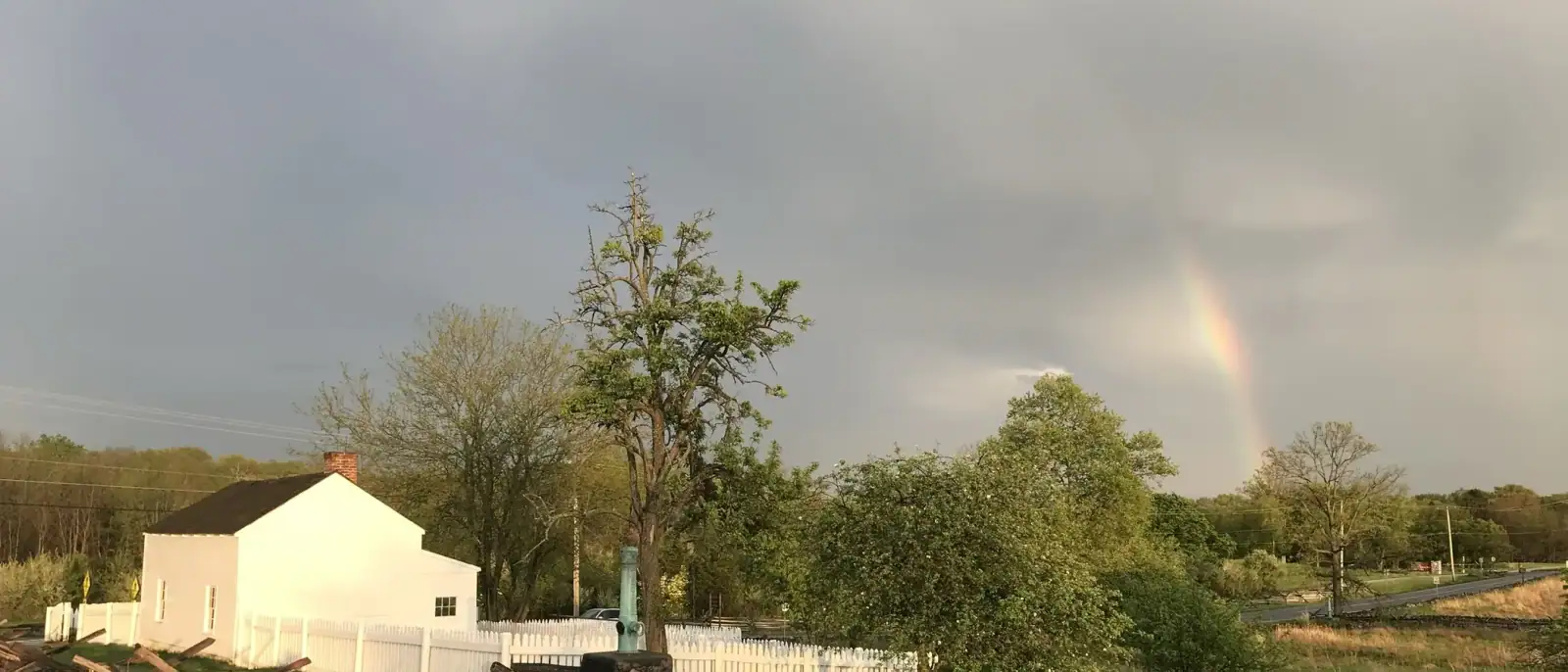
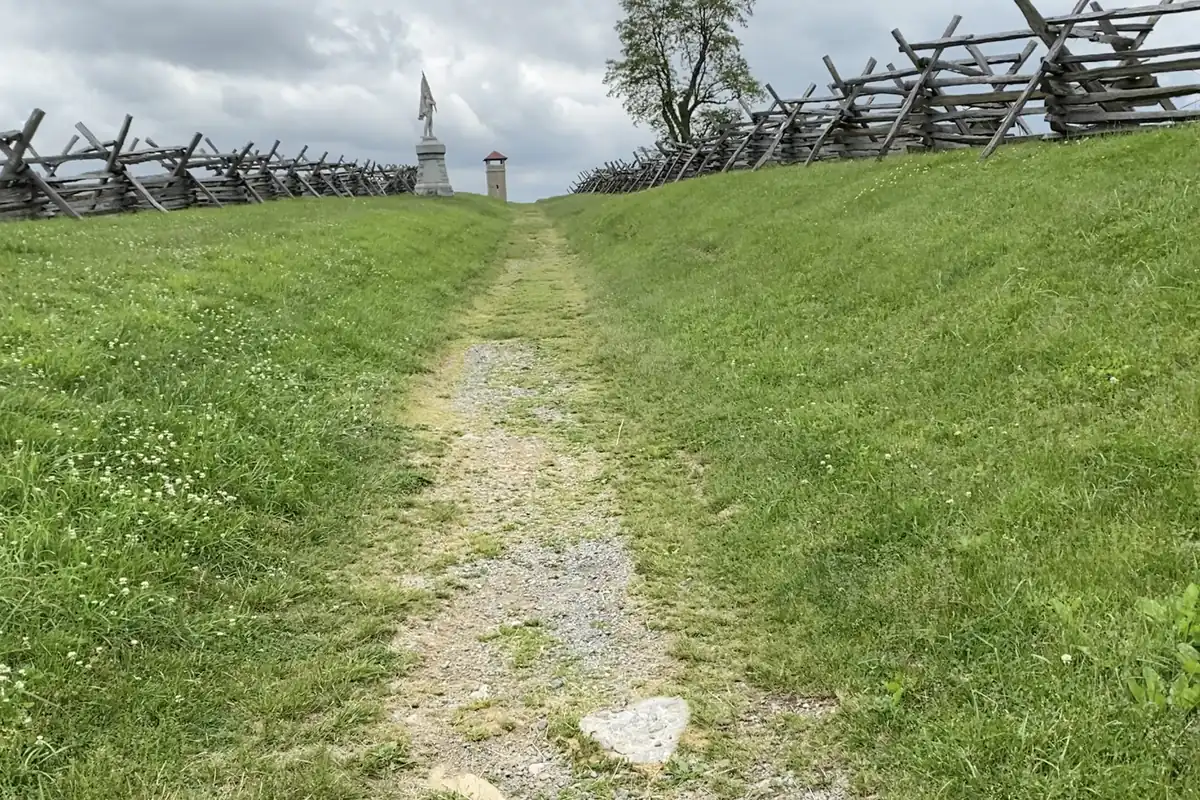
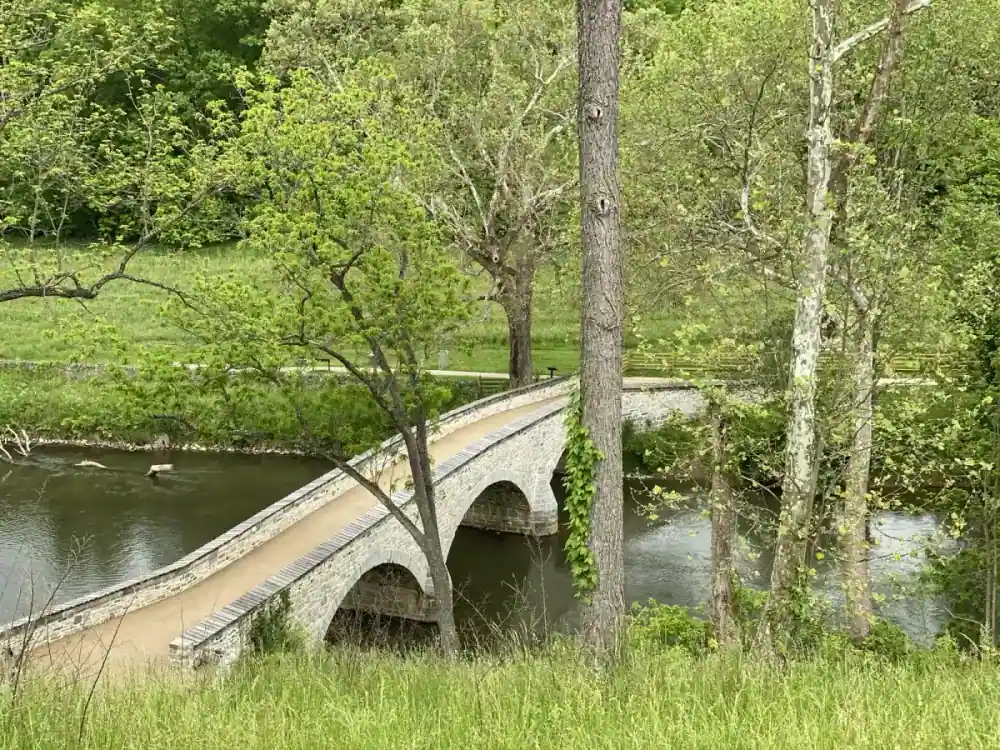
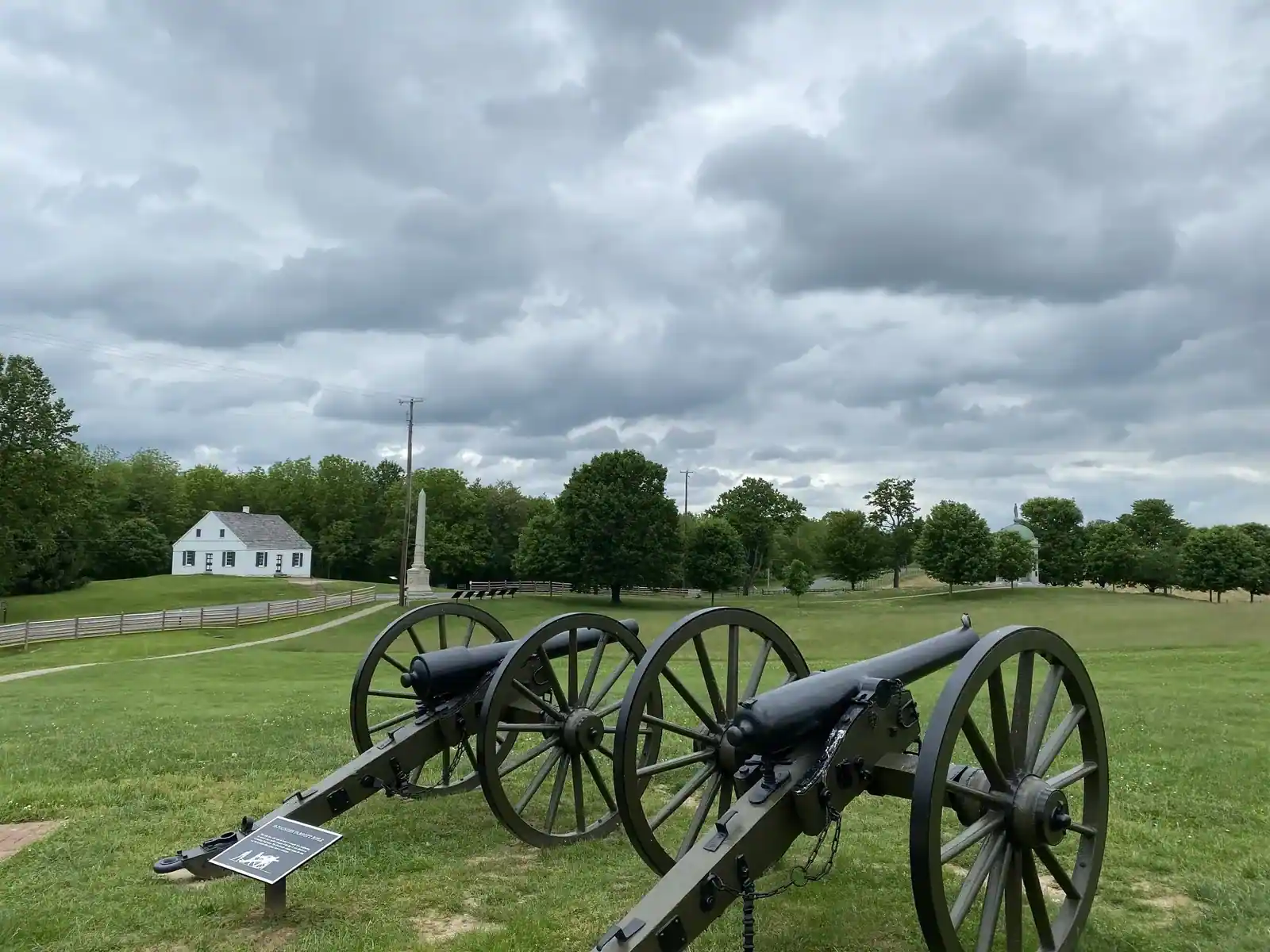
The bloodiest single day in American military history was fought by commanders who could see only part of the field. At Burnside’s Bridge a much smaller force held the crossing for hours. Leaders stand where the view runs out and decide what they would order from there.
Carried backA call at work made before the picture is complete, with the reasoning written down first.
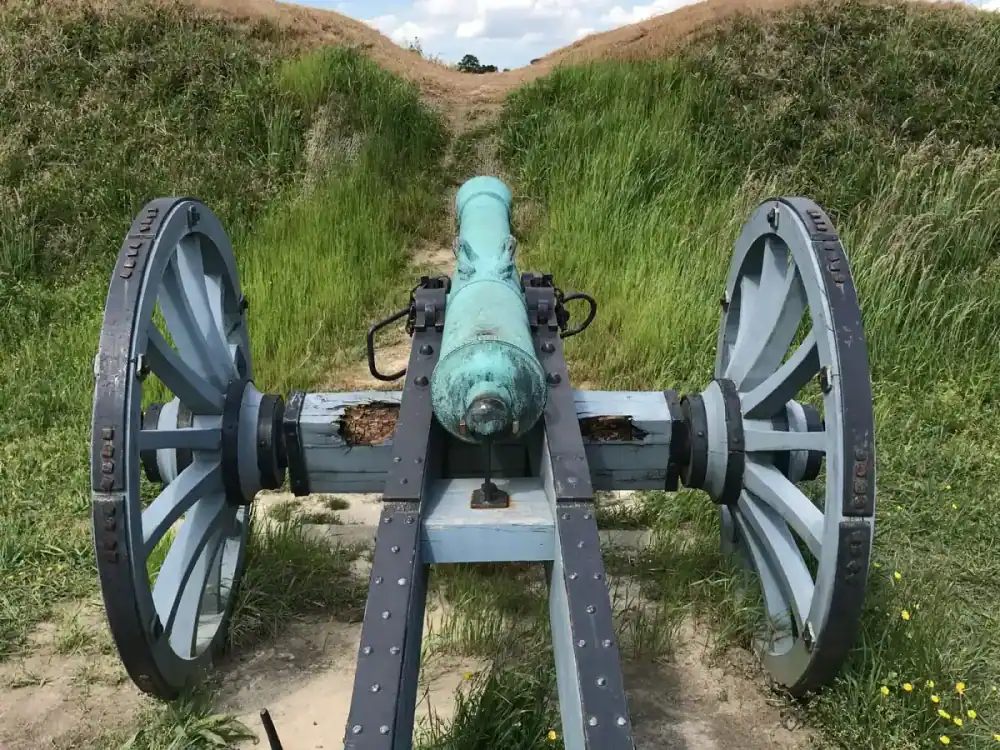
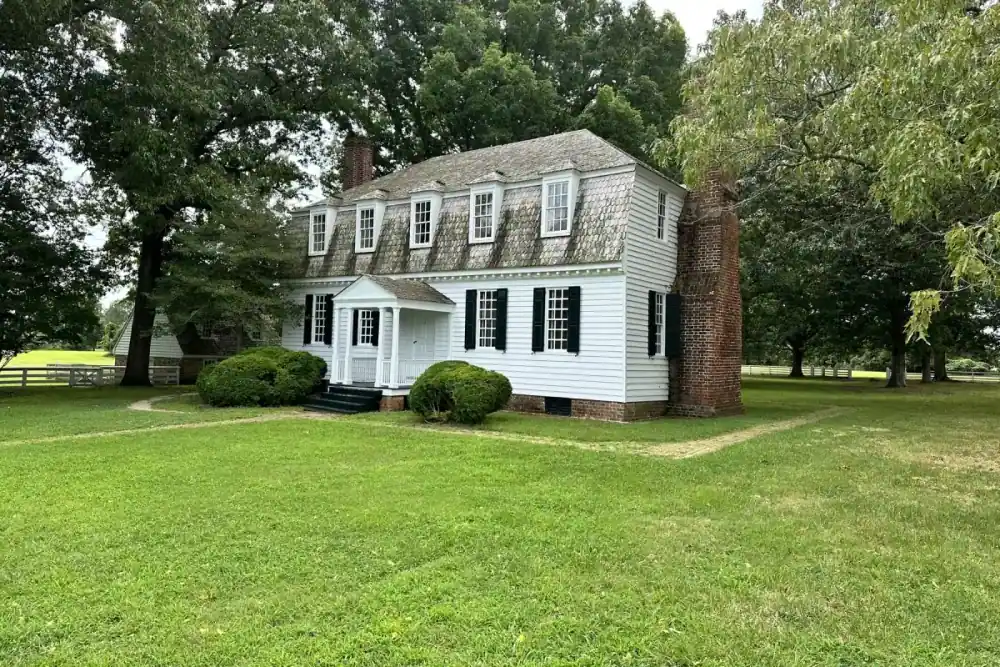
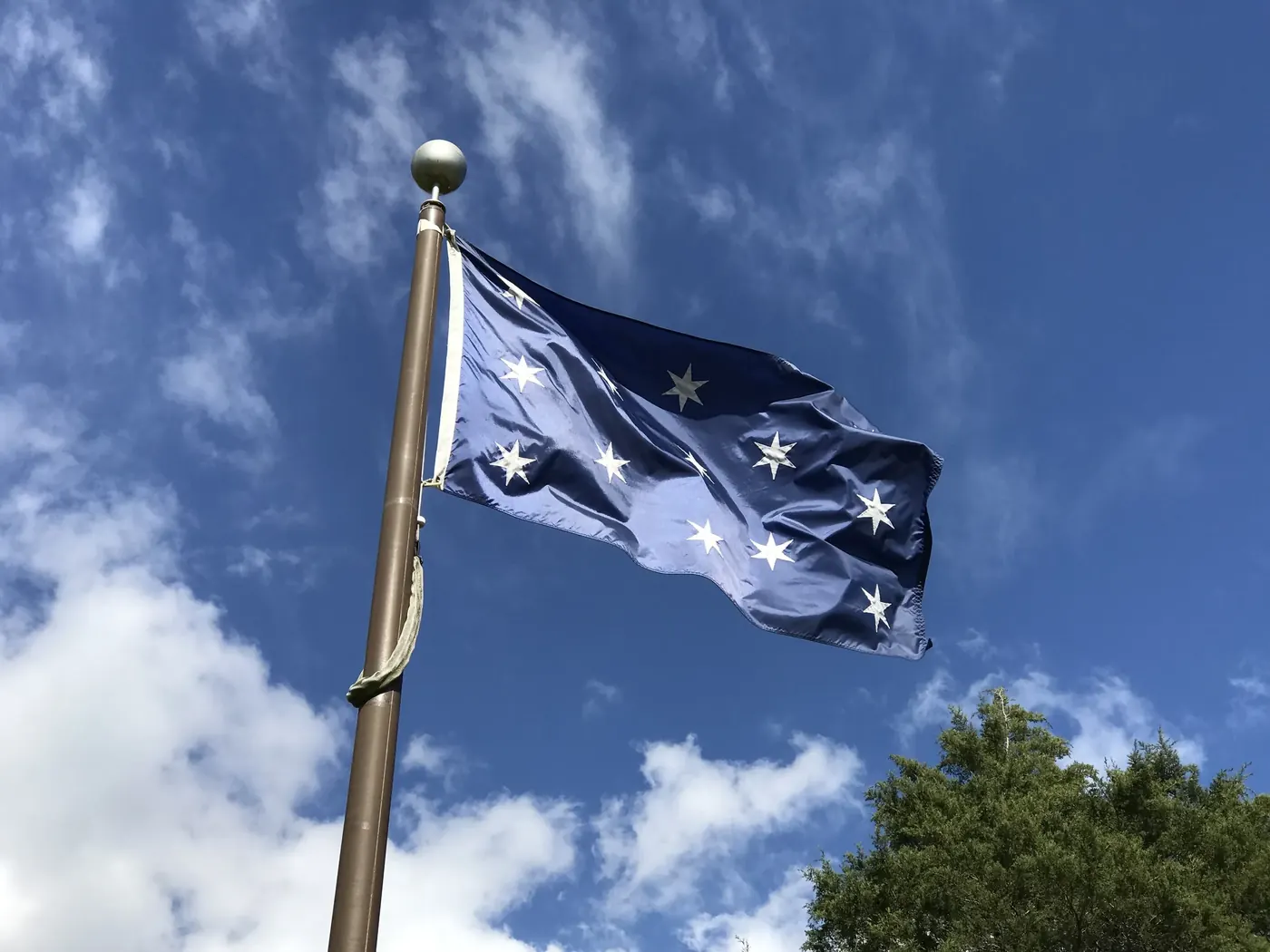
Yorktown
A commitment that cannot be walked back.
Cornwallis's force held the town with the York River behind it and the French fleet off the cape. There was no clean way out.
Arlington and Washington
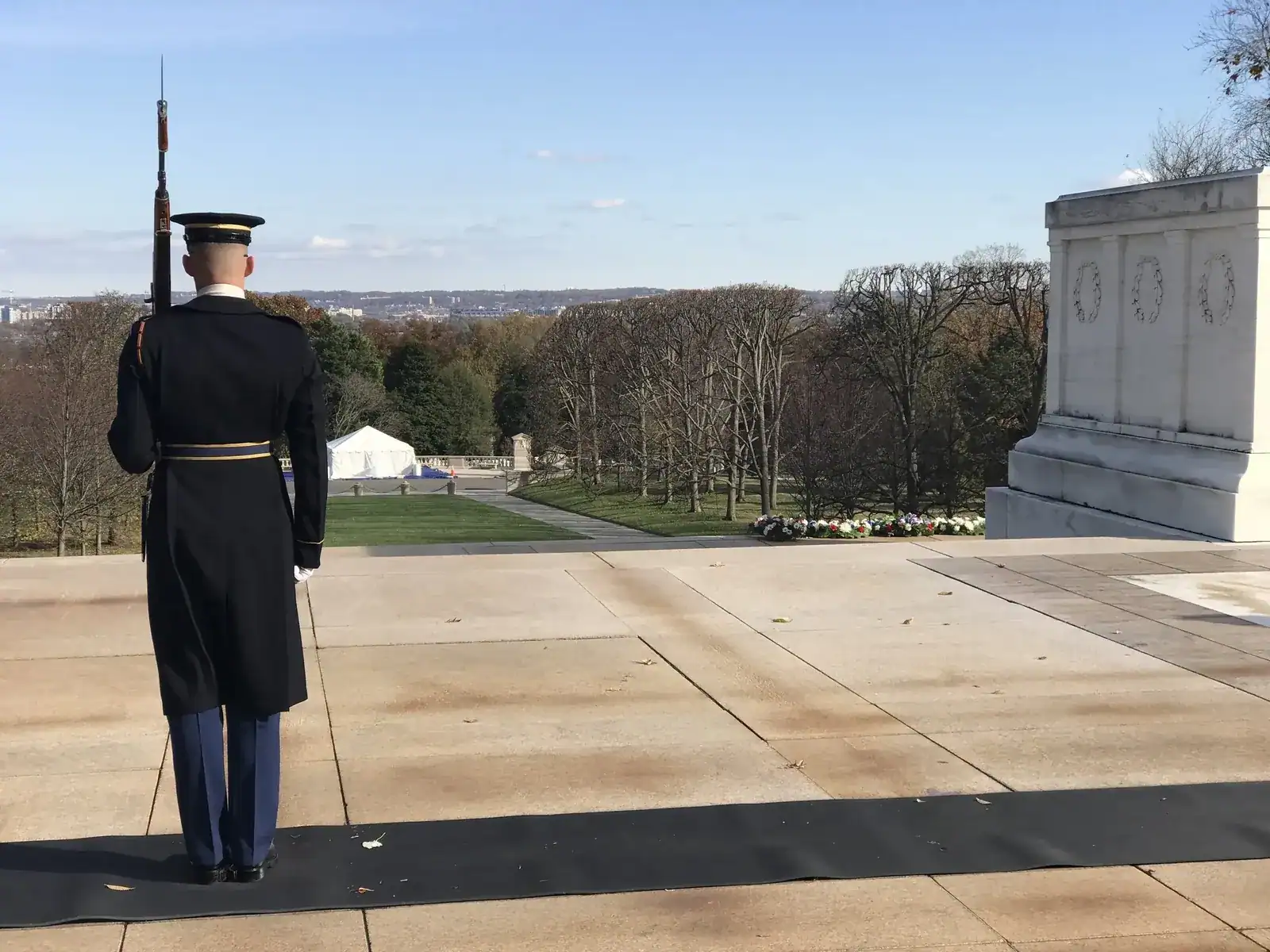
What a decision costs the people who follow.
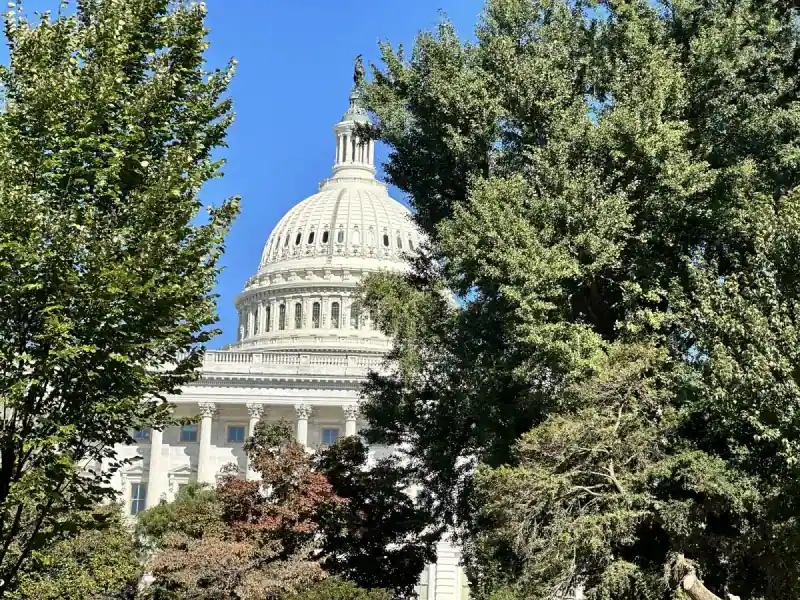
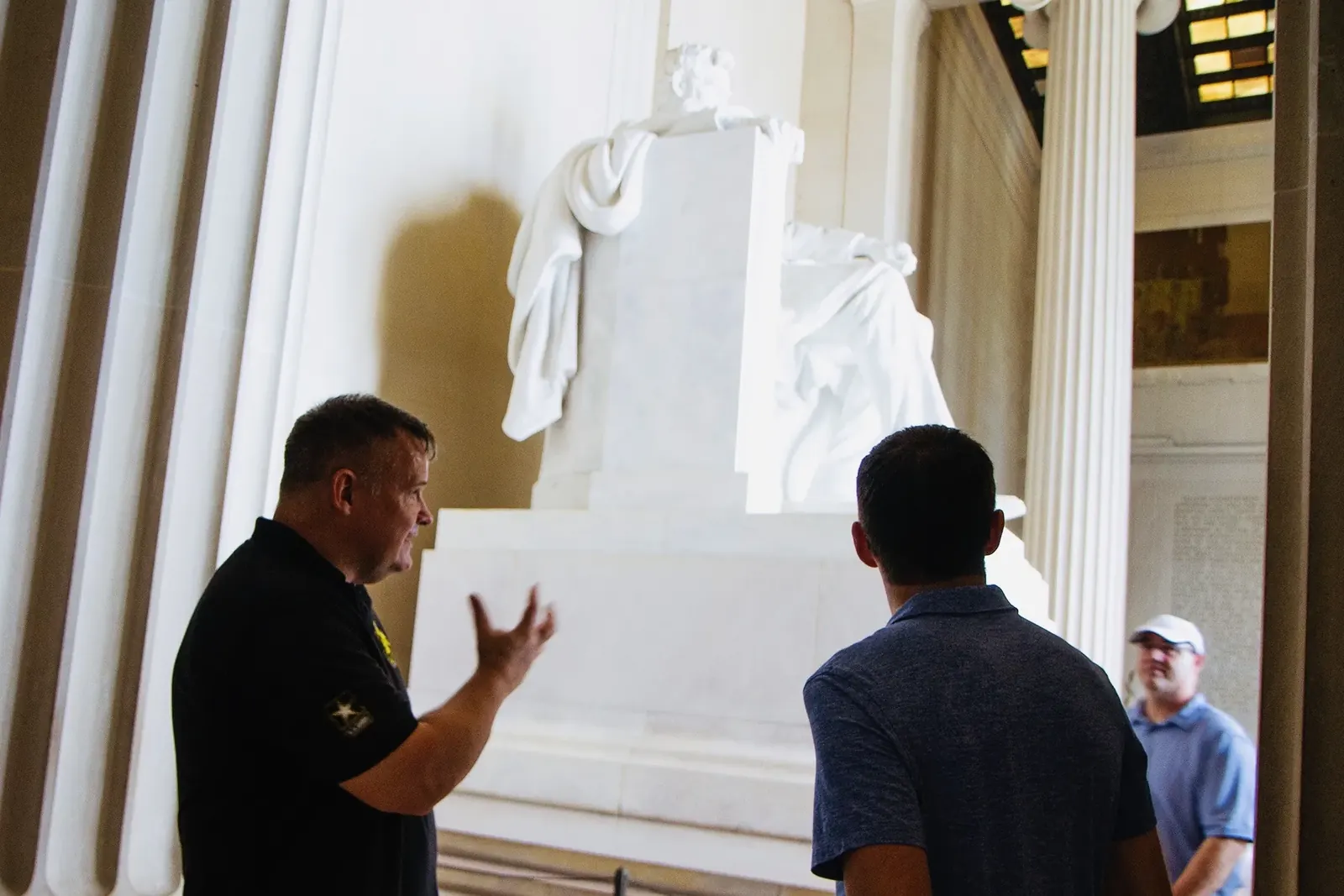
One day, in two halves. The morning at Arlington National Cemetery, among those who gave their lives carrying out others' decisions. The afternoon in Washington, on what keeps an institution trusted by strangers after a hard call, and what loses that trust for a generation.
Carried backA decision at work whose cost falls on people who had no say in it, and how the leader will tell them.
Normandy
A commitment that cannot be unwound.
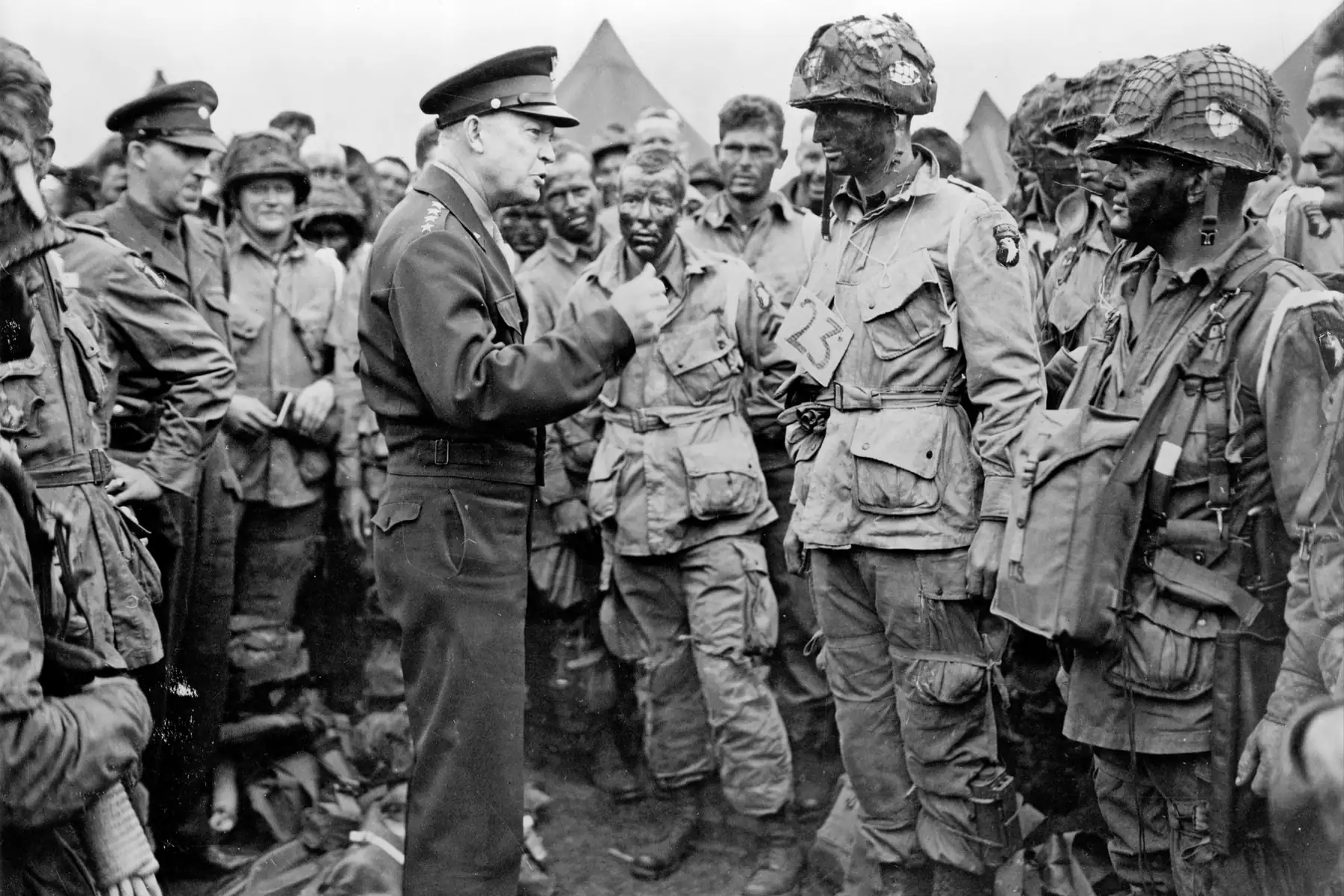
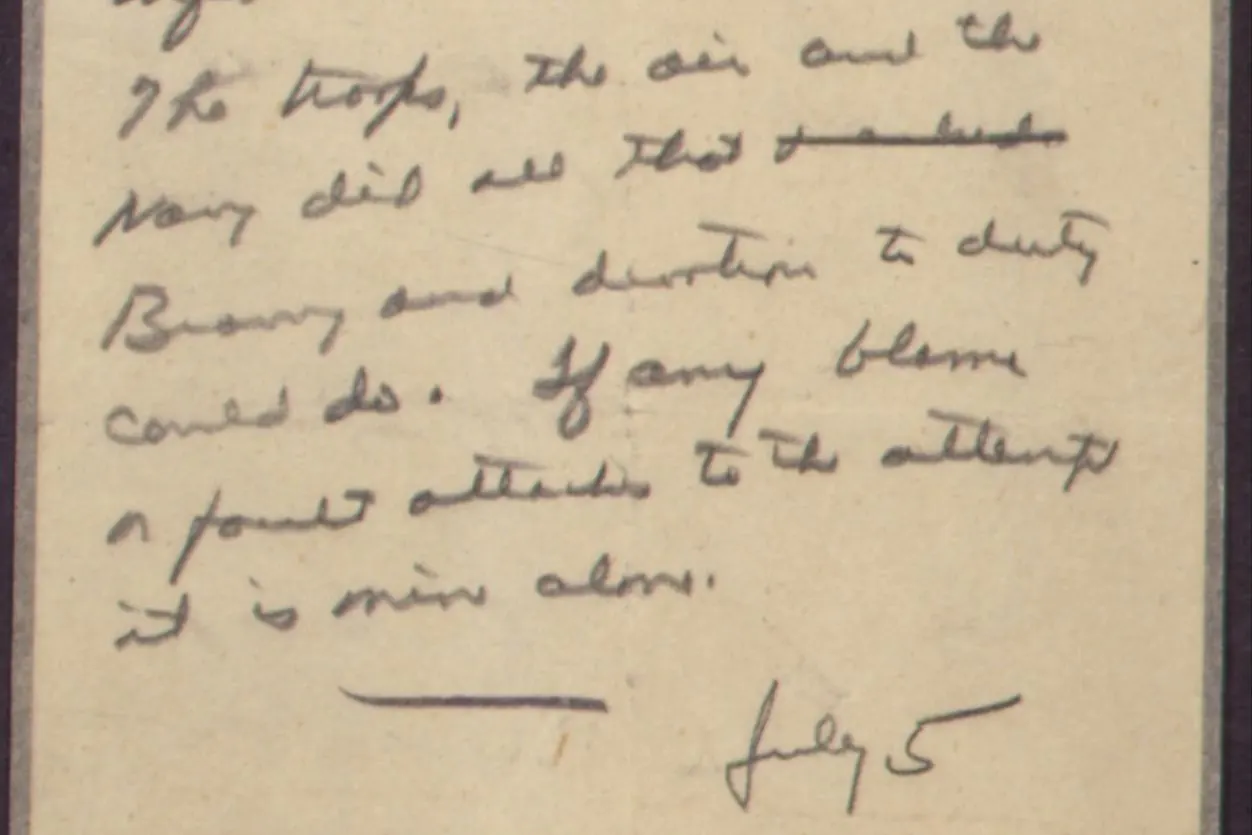
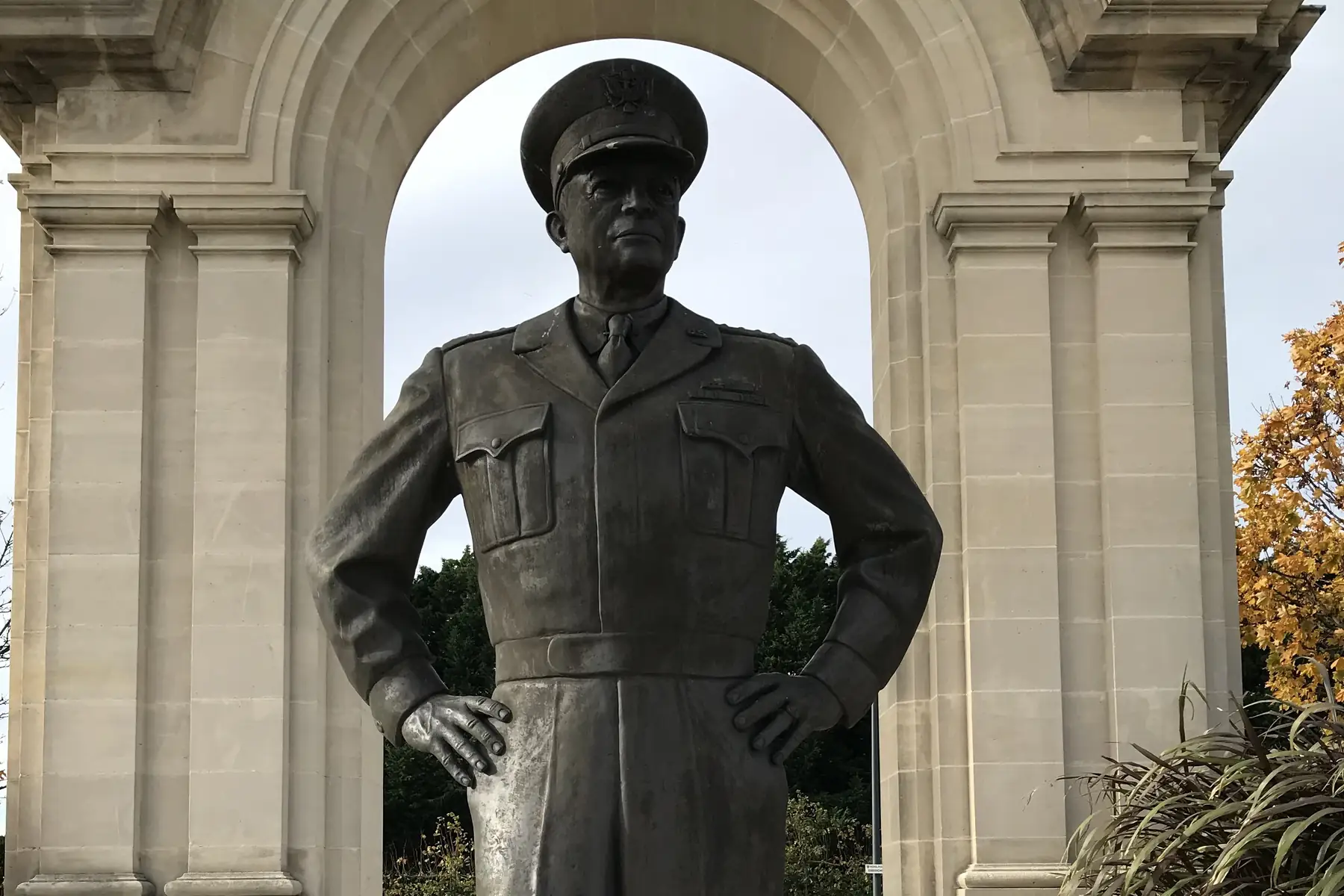
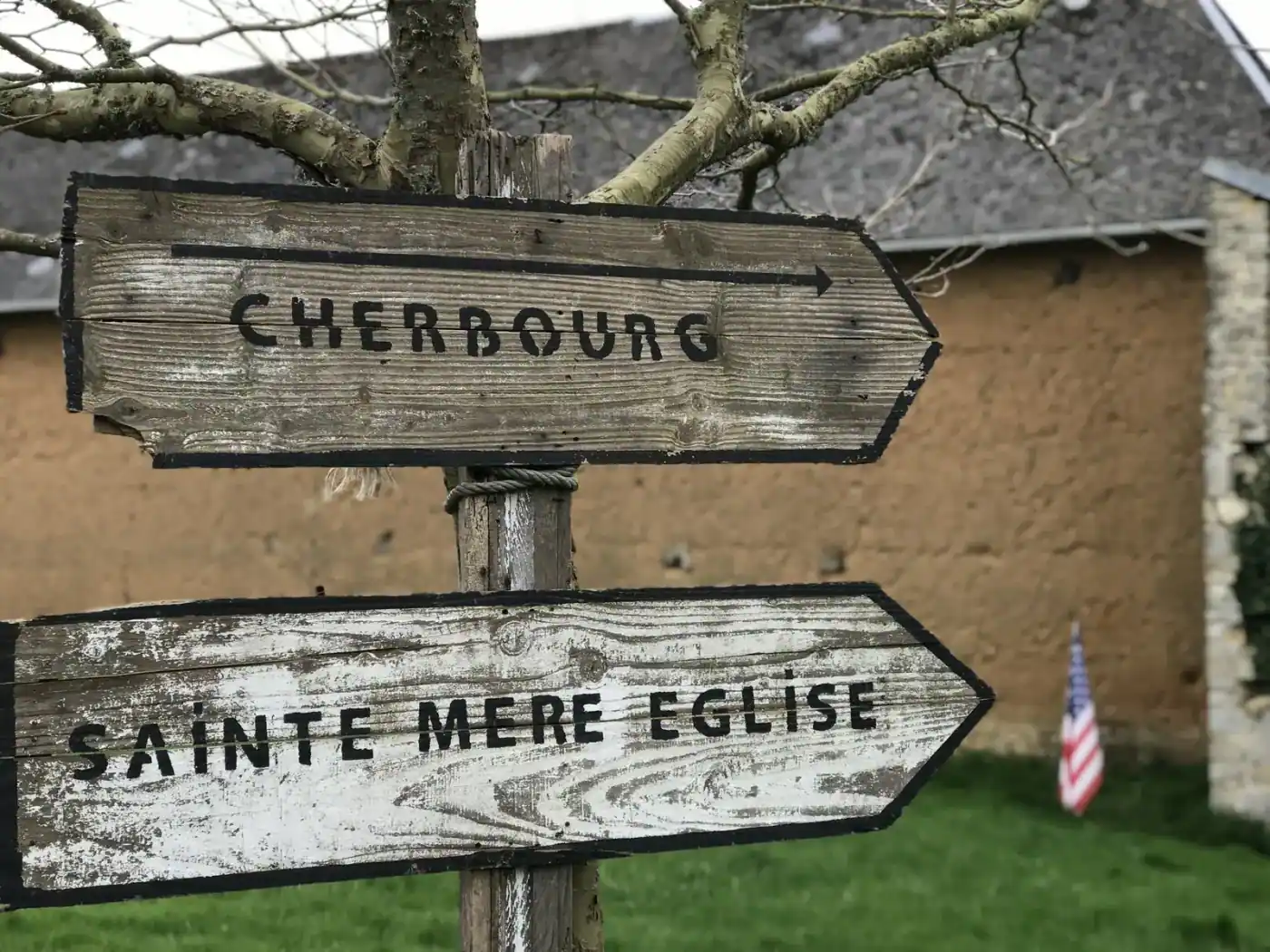
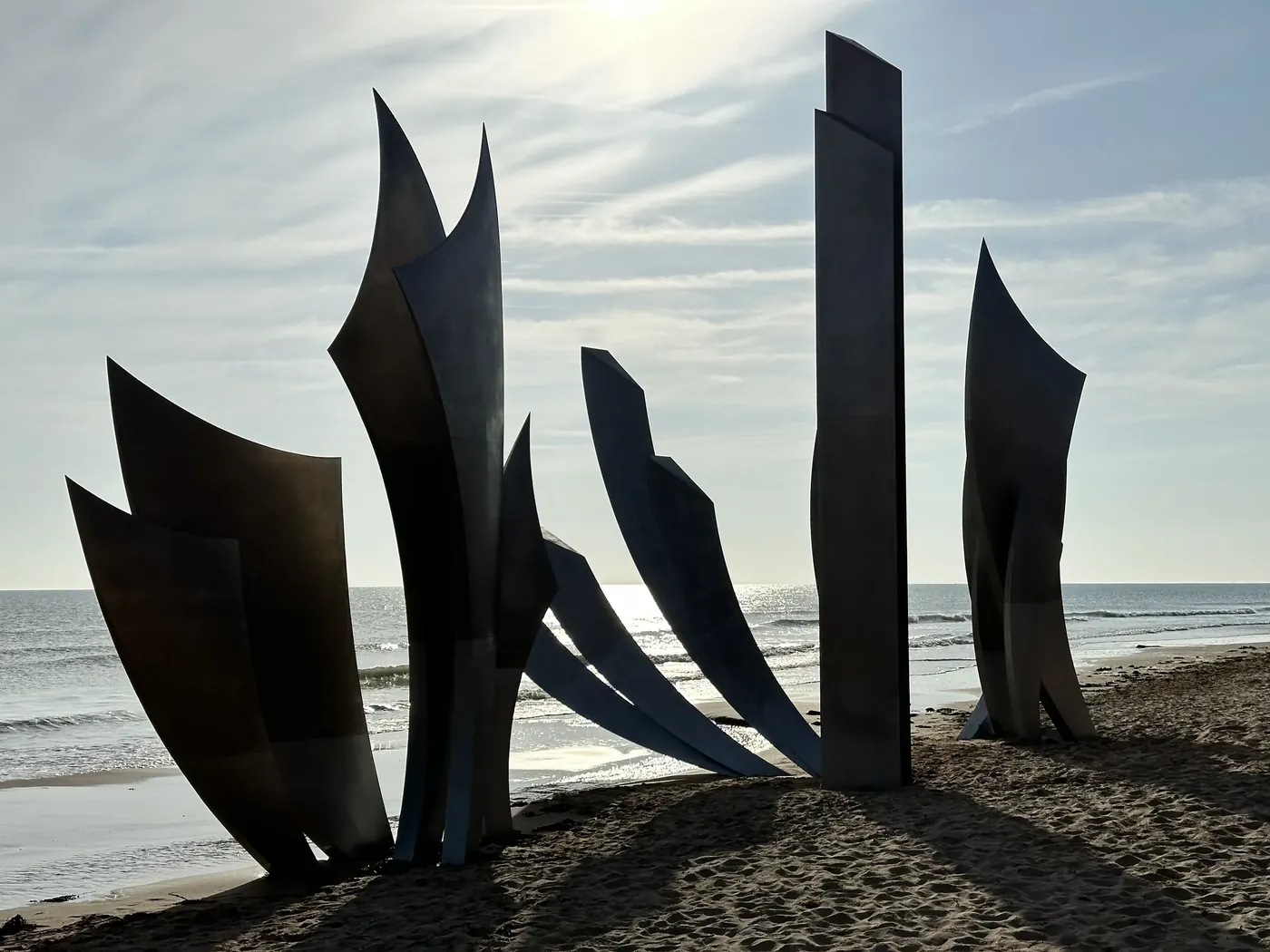
Normandy closes the field year. Allied commanders committed forces they could not recall, across national lines, on the strength of a weather forecast. Leaders stand on the bluffs above the beaches, where everything practiced at the earlier grounds is asked for at once.
Carried backThe commitment each leader will bring to Reckoning, stated in front of the cohort.
The Reckoning Leadership Retreat
What changed, said out loud.
Each leader delivers a brief on what changed in their real work over the year and takes challenge on it from peers and the Lived Path senior executive team. Then each writes a ninety-day commitment. The record stays with them after the cohort ends.
Carried backA ninety-day commitment, and a record that does not reset.

- Month 1Commission Leadership Retreat
- Learn · three cases
- Month 3Gettysburg
- Serve · three cases
- Month 5Antietam
- Lead · three cases
- Month 7Arlington and Washington
- Remember · three cases
- Month 10Normandy
- Month 12Reckoning Leadership Retreat
- Six months afterRecall, two minutes a week
Between the grounds
The year keeps working when nobody is traveling.
Each stretch carries three cases, spaced across the weeks before the next field day. A case week takes about 90 minutes, most of it spent on work leaders already have.
- ≈ 40 minThe case
One real decision with the ending sealed until they commit. A case coach argues the other side.
- ≈ 50 minThe application
That week’s lesson aimed at work they already have, written up afterward.
- 90 minLive session
Four in the year, one at the close of each stretch, with the cohort and a facilitator.
- Once a stretchPeer consult
A colleague brings a live decision to the group. Later, they bring theirs.
- Always onAdvisor
Works each leader’s objective between sessions, arguing only from their own record. Nobody else can read it.
- 2 min a weekRecall
One question drawn from their own decisions, for six months after the last case.
The twelve cases
Twelve real decisions, three before each field day.
A second case library, Standing Alone, is also available. Your scoped proposal recommends one.
Try one yourself: five minutes, one real decision, the ending sealed until you commit. Try a decision
Learn
Gathering the facts and the other side before deciding.
- Reading the Negative Pressure TestDeepwater Horizon, 2010
- Fifty Miles Out and ClosingOahu, 1941
- Instrumentation or the Real ThingMission Control, 1970
Next: Gettysburg
Serve
Putting the team and the mission ahead of one’s own standing.
- The Crossroads at NovilleBelgium, 1944
- The File on Her DeskWashington, 1960
- The AnnouncementNew York, 2001
Next: Antietam
Lead
Deciding in time, stating the reason, and owning the result.
- Seawater at Fukushima DaiichiFukushima, 2011
- Fire at Mann GulchMontana, 1949
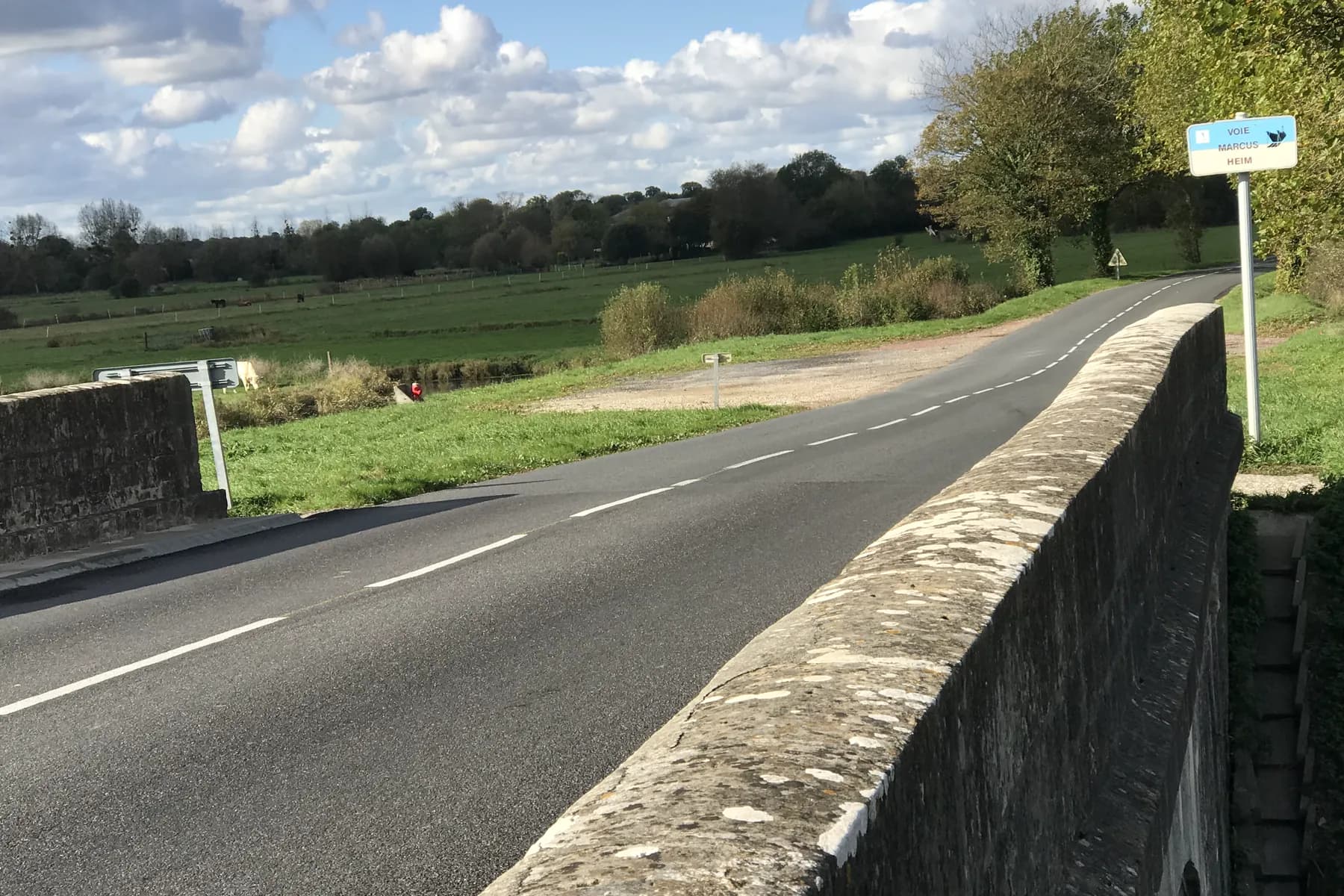
- The Bridge at La FièreNormandy, 1944
Next: Arlington and Washington
Remember
Reviewing what was done, and changing because of it.
- Codman's ResultsBoston, 1914
- Gillum's StampKansas City, 1981
- The Closed SessionWashington, 1986
Next: Normandy
At the end of the year
What each leader leaves with.
- An objective, and the brief against it
Set at the Commission Leadership Retreat, delivered at Reckoning.
- Twelve committed decisions
Each made before the outcome opened, with the reasons in writing.
- Twelve applications at work
Each aimed at the problem your organization named.
- A ninety-day commitment
Written on the last day, and followed up on.
- What their colleagues saw
What the people they work with said helped and what got in the way, at the start and at the end.
- A credential
One anyone can verify from a link, with no account.
After Reckoning, Advisor keeps the record, and recall brings their own decisions back once a week for six months after the last case.
Is this for you
Who the year is for.
It fits an organization that will release eight to twelve leaders for field days across the year, can name what those leaders have to get done, and has managers who will hold a check-in at the end of each stretch.
It does not fit an organization that wants a single offsite, needs to read what its leaders write in private, or wants a satisfaction score as the outcome.
Questions about the year
Before you plan a year on the ground.
Can the year be shorter, or use different grounds?
Yes. The grounds, their order, the number of field days and the length of the year are all set with you. The cases can come from either program.
What if a leader misses a field day?
The work on the platform continues, and the brief and the debrief stay open to them. The ground itself cannot be made up later, which is why the calendar is agreed with you before the year begins.
Who is on the ground with the cohort?
The Lived Path senior executive team leads every field day, from the prep before it to the after-action that closes it.
How much travel does it involve?
Gettysburg and Antietam are each within about seventy miles of Washington, and Arlington is across the river. Normandy is the one trip abroad.
What happens after the Reckoning Leadership Retreat?
The record stays. Advisor keeps working from it, the ninety-day commitment is followed up, and recall runs for six months after the last case.
Can our managers see what leaders write?
Managers see applications and check-ins. Reflections, case coach conversations and Advisor threads stay with the leader, and nobody else can read them.
How it starts
Three steps to the first retreat.
- A conversation
With John, about what your leaders have to get done this year.
- A scoped proposal
Cohort size, the calendar, the grounds, the case library and the security pack.
- A date
The Commission Leadership Retreat goes on the calendar.
Or start smaller: one field day for your executive team, at Gettysburg or Antietam, built around one decision. Ask about a field day