
Five minutes
Try a decision
One call, with the ending sealed. The facts below are what you have, and they do not make the call simple. The full case is longer.
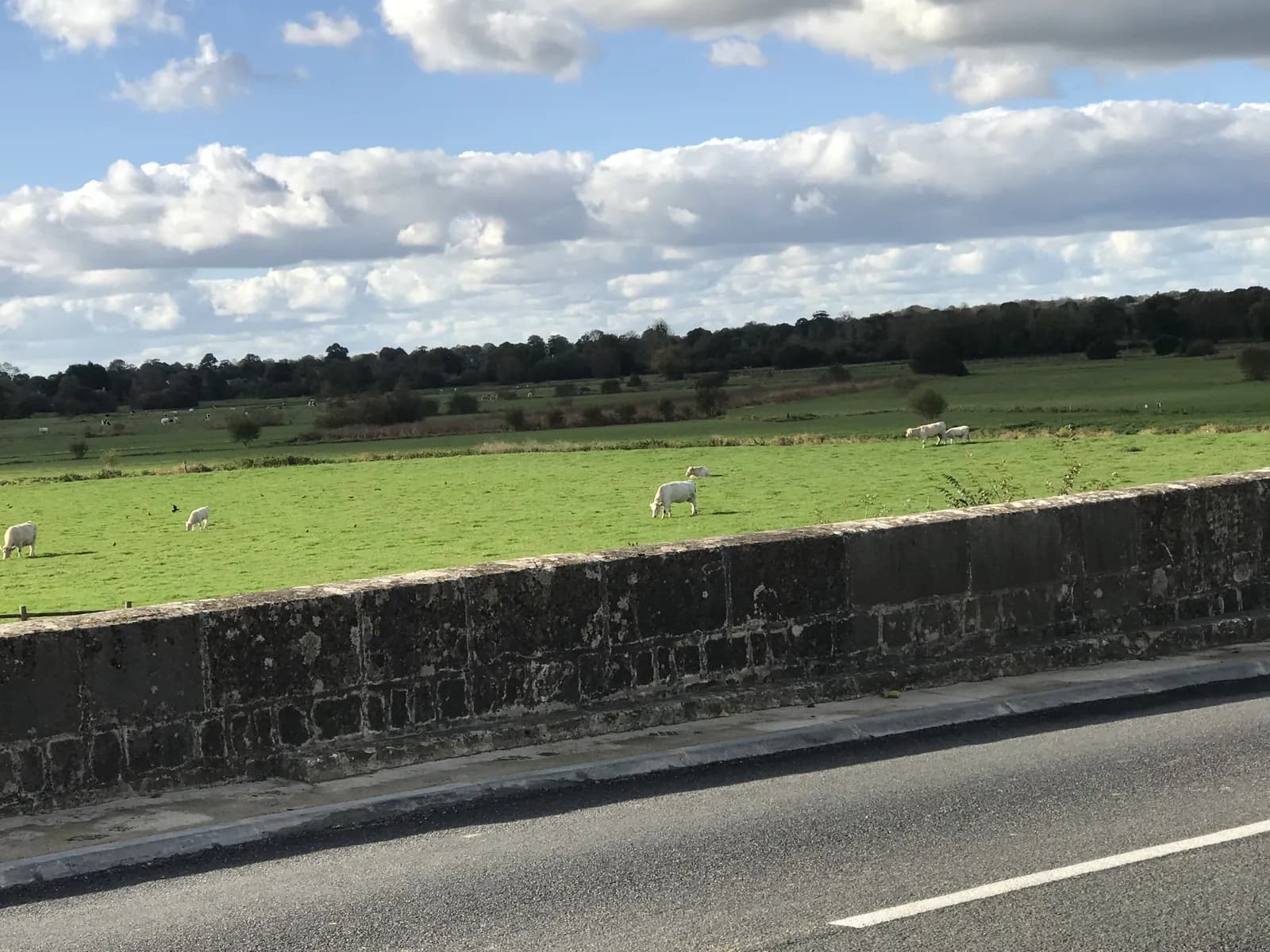
You are a first lieutenant commanding a rifle company of paratroopers. The company jumped into Normandy between one and two o'clock this morning, and within an hour, before dawn, you had nine men in ten accounted for, which on this night is a kind of miracle. Your regiment's job is a stone bridge over a small river two miles west of the town the division is taking. The bridge carries the only road across a valley the Germans have flooded. Beyond it, a causeway five hundred yards long runs across the water to the far bank. Whoever holds the bridge decides whether German armor gets to the beaches or American armor gets inland.

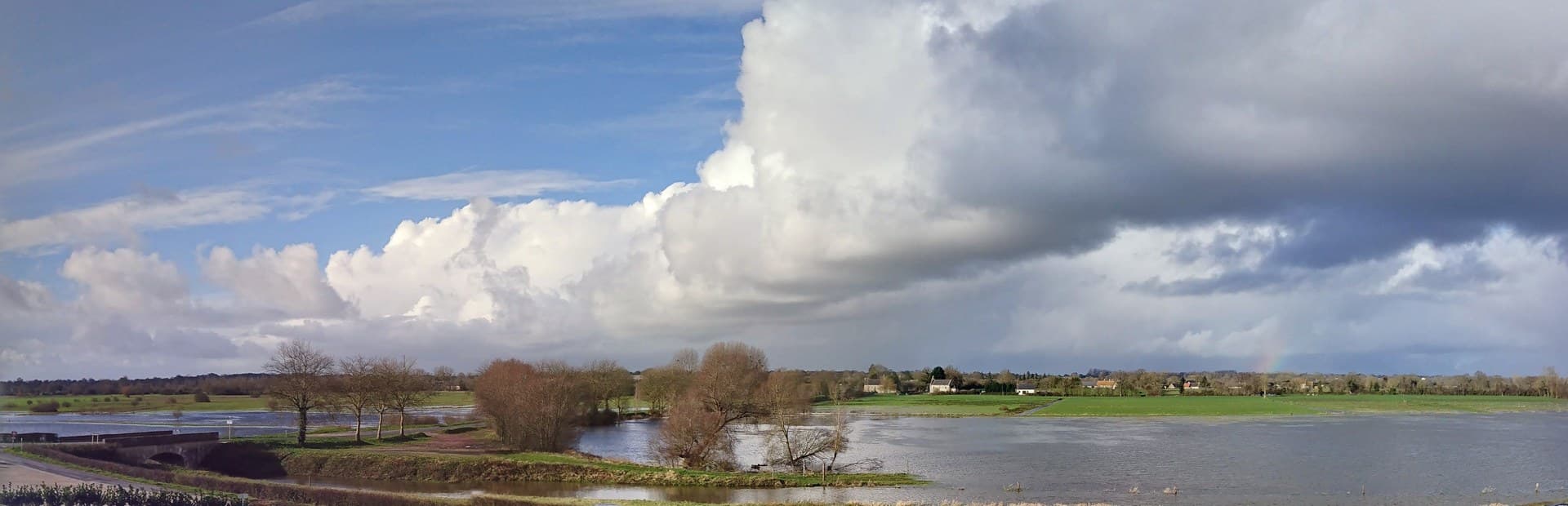
This morning cost you. Approaching the bridge, one of your lieutenants went forward with the scouts and was killed with one of them by machine-gun fire. The battalion executive officer, walking with you, was killed instantly by fire from a hedgerow. The manor house that commands the bridge was taken by early afternoon by men from several units who had drifted together. Then most of them drifted on to their own objectives, and the east end of the bridge became yours.
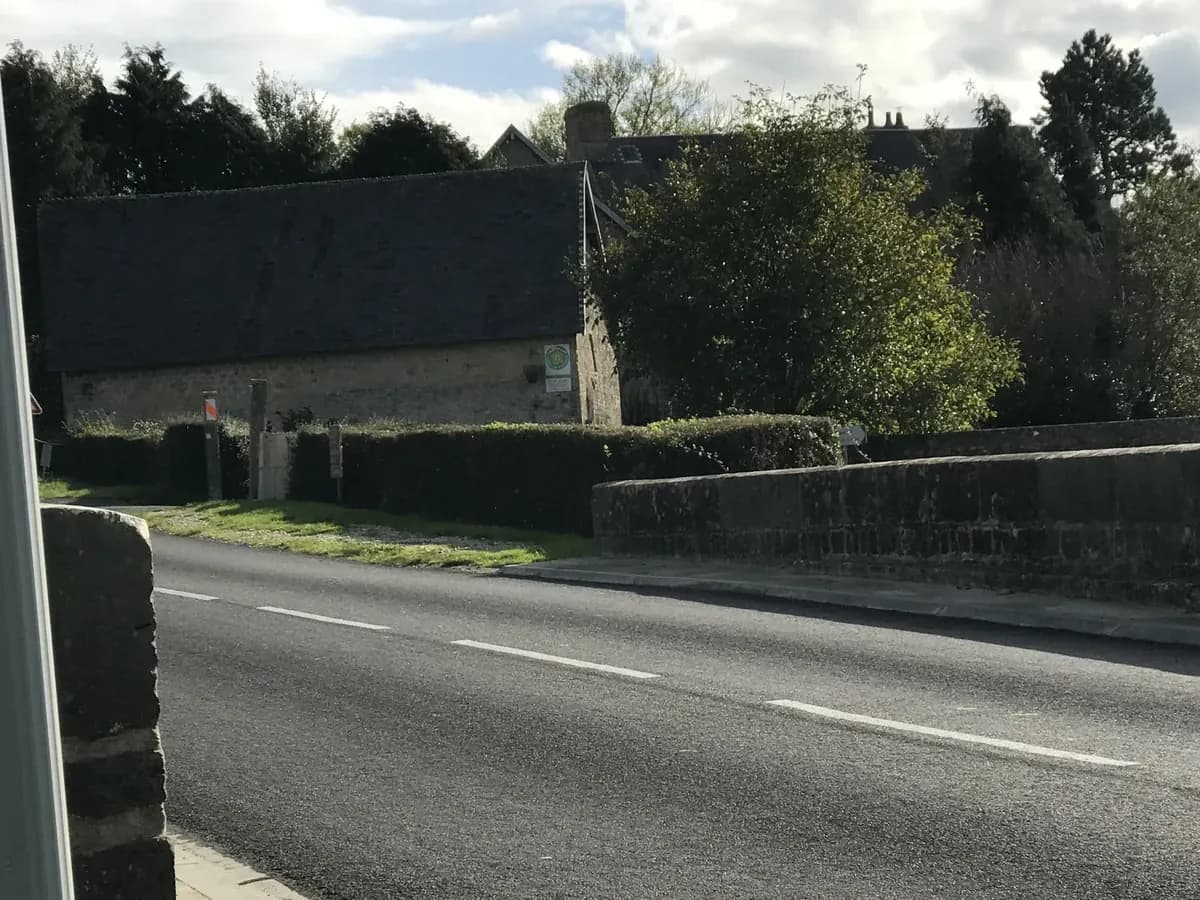
You built the position with what you had. A disabled German truck was pushed onto the bridge as a roadblock. Anti-tank mines were laid on the road surface behind it, in plain view, because there was no time to bury them and a mine the enemy can see still stops a tank. Two bazooka teams dug in below road level on either side of the bridge, two men each. A single 57mm anti-tank gun sits a hundred and fifty yards back on a bend in the road, where it has cover and a field of fire, with six rounds. Three light machine guns and a few mortars. Perhaps a hundred men.

1. A disabled German truck, pushed onto the bridge as a roadblock.
2. Anti-tank mines on the road behind it, in plain view.
3. Two bazooka teams, two men each, dug in below the road on either side.
4. The 57mm anti-tank gun, about 150 yards back on the bend, with six rounds.
5. The manor house that commands the bridge.
6. The platoon on the left: a sergeant and about fifteen men, nearly out of ammunition.
7. You, now the senior officer at the bridge.
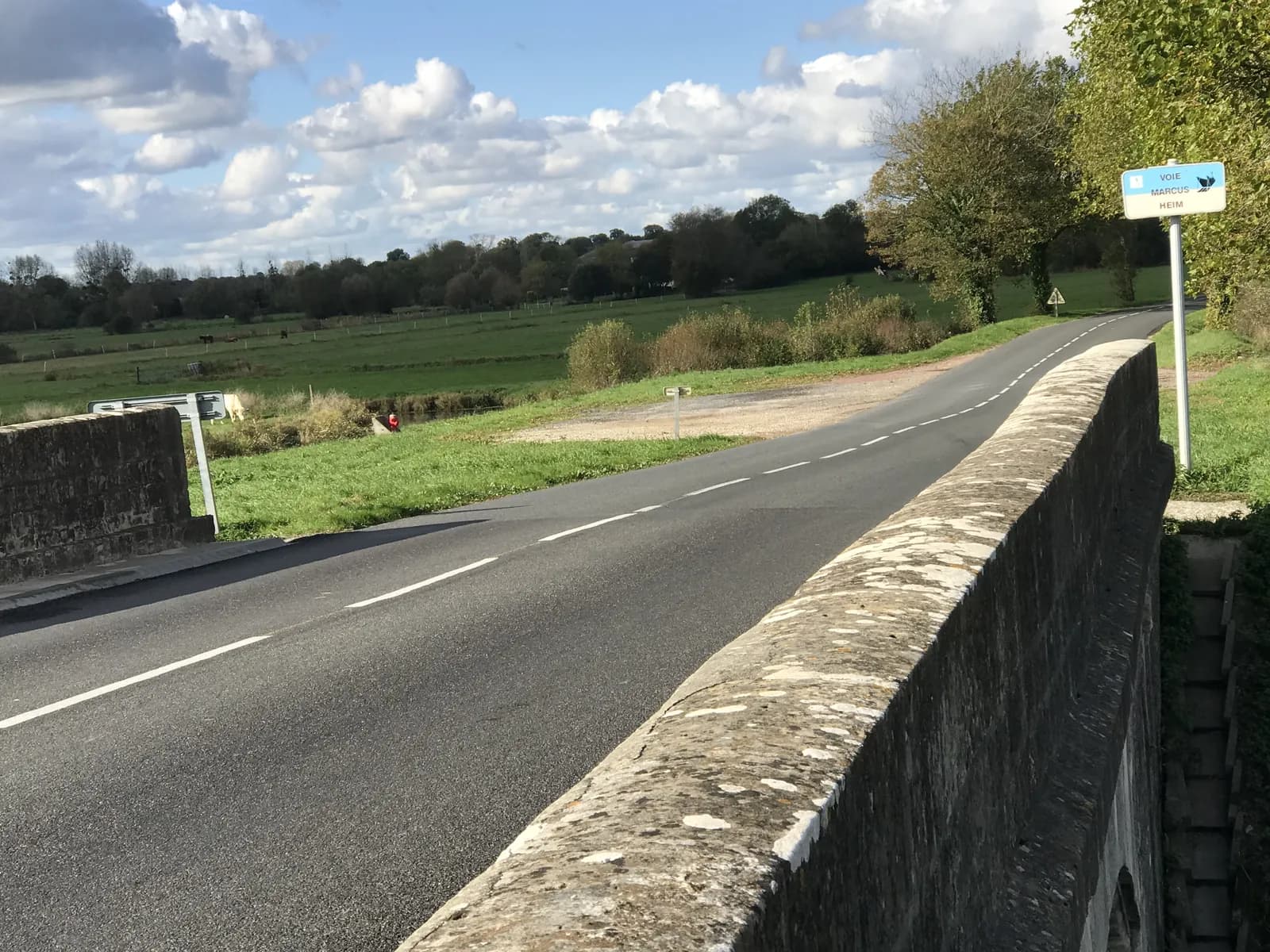
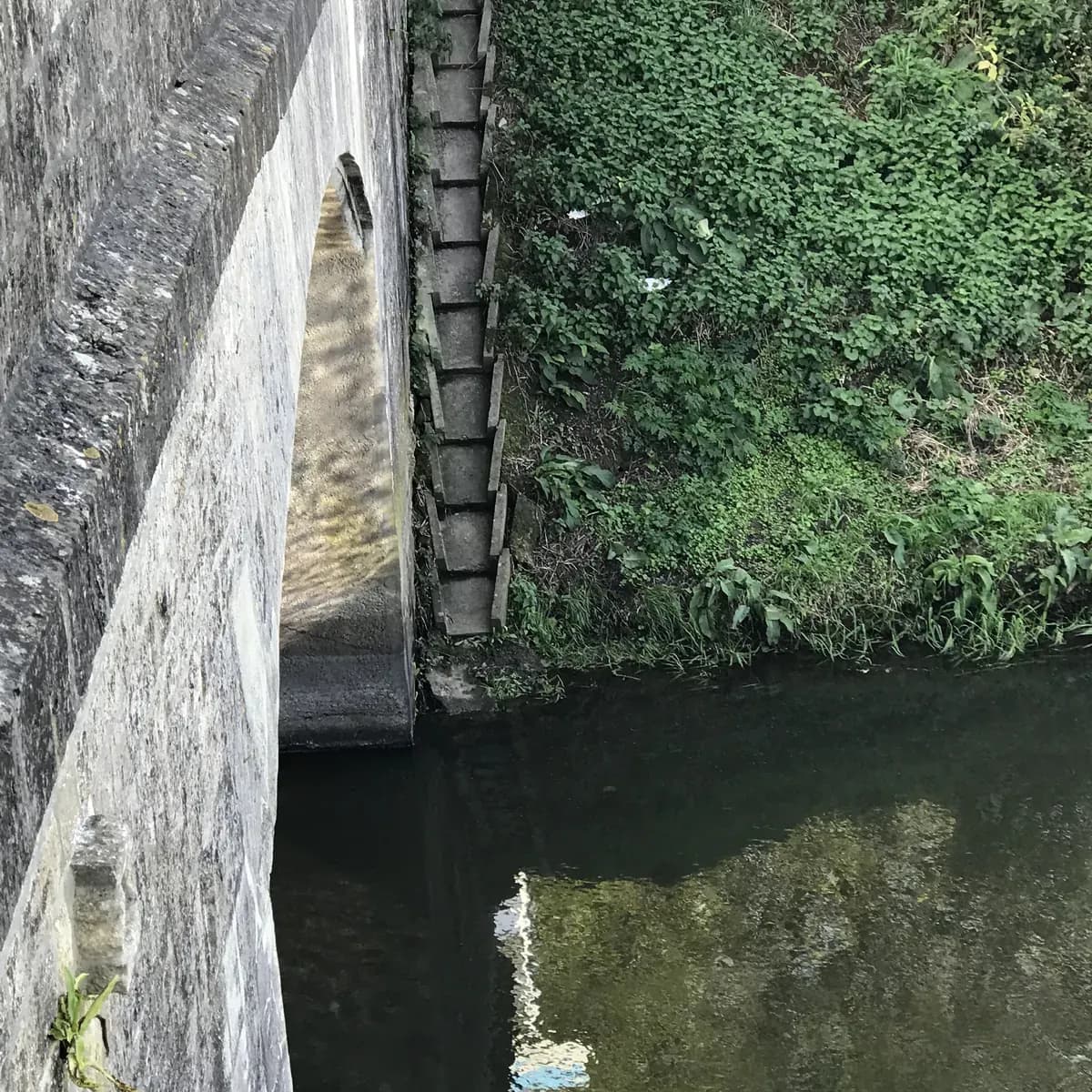
At four o'clock yesterday afternoon a scout came back to say tanks were coming. After an artillery preparation, three tanks and about two hundred German infantry came down the causeway. The bazooka teams stopped the first two at the roadblock and the anti-tank gun stopped the third. The infantry came on and were driven back. During the fight the battalion commander was killed by a mortar round while bringing ammunition forward, and the operations officer was concussed and later died. You are now the senior officer at the bridge. Battalion is a captain somewhere behind you, division is a general who has other bridges, and the regiment has no one to send.
This morning the Germans came again. First the shelling, heavier than yesterday, with tree bursts along the hedgerows where your men are dug in. Then two tanks and infantry on the causeway. The platoon on the left is led by a sergeant, because its lieutenant is dead. He has about fifteen men still able to fight. A private has just come from him to you at a crouching run. The sergeant reports that the platoon is nearly out of ammunition and asks permission to fall back.
The private is waiting. Whatever you say will go back to fifteen men lying in a ditch, and it will go by mouth.